Dermatology
Topical treatments for acne, melasma, anti-aging, hair growth, scars, and skin health.

Form
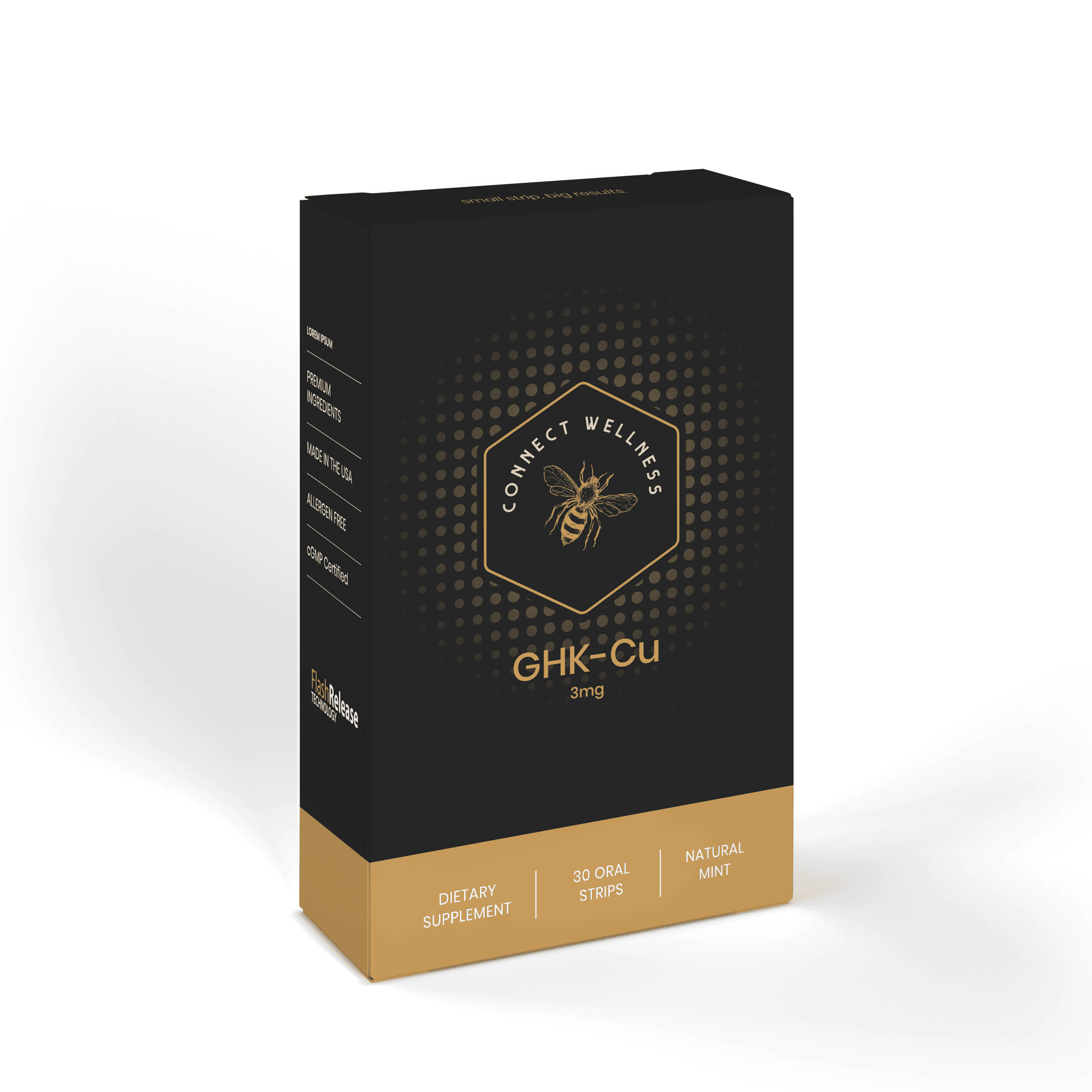
GHK-Cu
Cream · Nasal Spray · Oral Film
For topical skincare use, GHK-Cu, a naturally occurring copper-binding peptide, is typically compounded into a cream or serum. It helps support skin appearance, collagen and elastin production, and wound healing processes as part of a broader topical skincare regimen used over time.
Cantharidin
Solution
Derived from blister beetles, cantharidin is a topical vesicant formulated as a solution for in-office application. It helps treat common warts and molluscum contagiosum by inducing a localized blister that lifts the affected lesion, and application is typically performed or supervised by a healthcare provider.
Eflornithine
Cream
By inhibiting ornithine decarboxylase, an enzyme involved in hair follicle growth, eflornithine cream is used to help slow the growth of unwanted facial hair in women with regular application. It does not remove hair that's already present and is typically used alongside other hair removal methods.
Acyclovir
Lip Balm
Acyclovir is compounded as a lip balm for topical use on cold sores (herpes labialis).
Acyclovir/Hydrocortisone
Ointment
Acyclovir and hydrocortisone are combined in this compounded ointment for topical use on cold sores.
Acyclovir/Lidocaine/Hydrocortisone
Ointment
Acyclovir, lidocaine, and hydrocortisone are combined in this compounded ointment for topical use on cold sores.
Adapalene/Clindamycin/Niacinamide/Tea Tree Oil
Cream
Adapalene, clindamycin, niacinamide, and tea tree oil are combined in this compounded cream for topical acne care.
Aloe Vera/Pracasil
Gel
Aloe vera in a Pracasil silicone base is compounded as a topical gel for wound healing and skin-care use.
Ascorbic Acid/Hydroquinone/Tretinoin/Triamcinolone
Cream
Ascorbic acid, hydroquinone, tretinoin, and triamcinolone are combined in this compounded cream for topical care of melasma and other hyperpigmentation.
Azelaic Acid/Clindamycin
Cream
Azelaic acid and clindamycin are combined in this compounded cream for topical acne care.
Azelaic Acid/Hydroquinone/Desonide
Cream
For melasma and other forms of hyperpigmentation, this topical cream brings together azelaic acid, hydroquinone (a skin-lightening agent), and desonide (a mild topical corticosteroid). The corticosteroid is included to help reduce irritation that can result from the other active ingredients.
Azelaic Acid/Ketotifen/Oxymetazoline
Cream
Rosacea-associated redness and flushing are the target of this topical cream, which combines azelaic acid with ketotifen (a mast-cell stabilizer and antihistamine) and oxymetazoline (a vasoconstrictor). Azelaic acid's anti-inflammatory action is paired with agents that help calm mast-cell activity and temporarily narrow blood vessels.
Azelaic Acid/Niacinamide
Cream
Bringing azelaic acid and niacinamide together, this topical cream is formulated to help address acne, rosacea-related redness, and hyperpigmentation. It draws on azelaic acid's antibacterial and anti-inflammatory properties along with niacinamide's role in supporting the skin barrier and reducing inflammation.
Betamethasone/Calcipotriene
Cream
Betamethasone, a corticosteroid, is paired with calcipotriene, a vitamin D analog, in this cream commonly formulated to help manage plaque psoriasis. The corticosteroid helps reduce inflammation while calcipotriene helps normalize skin cell growth, and together the ingredients are used to help address scaling, redness, and thickened plaques.
Betamethasone/Calcipotriene
Solution
Formulated as a topical solution rather than a cream, this combination of betamethasone (a corticosteroid) and calcipotriene (a vitamin D analog) is intended for scalp and body plaque psoriasis, where the solution vehicle allows easier application to hair-bearing areas. The corticosteroid helps reduce inflammation while calcipotriene helps regulate the excess skin cell turnover seen in psoriasis.
Betamethasone/Calcipotriene/Niacinamide
Solution
This psoriasis-focused cream layers niacinamide (vitamin B3) onto the established betamethasone (a corticosteroid) and calcipotriene (a vitamin D analog) combination. The corticosteroid and vitamin D analog work together to address inflammation and abnormal skin cell turnover, while niacinamide is included to help support the skin barrier and may help reduce associated irritation.
Betamethasone/Tretinoin/Pracasil
Gel
Pracasil, a specialized compounding base often used in scar-directed formulations, is combined with betamethasone (a corticosteroid) and tretinoin (a retinoid) in this cream. It is generally formulated to help manage inflammatory skin conditions and support the appearance of scars, pairing the anti-inflammatory action of betamethasone with the cell-turnover effects of tretinoin.
Clindamycin/Tacrolimus/Niacinamide
Cream
An antibacterial agent meets an anti-inflammatory immunomodulator in this topical cream, which combines clindamycin (an antibiotic), tacrolimus (a topical calcineurin inhibitor), and niacinamide. It is commonly used for inflammatory, acne-affected skin, with niacinamide included to help support the skin barrier.
Clindamycin/Tretinoin
Cream
A standard acne combination, clindamycin (an antibiotic) and tretinoin (a retinoid) are formulated together in this topical gel. It is intended to help with acne, pairing tretinoin's support of normal skin cell turnover with clindamycin's action against acne-causing bacteria over the course of regular use.
Clindamycin/Tretinoin/Niacinamide
Cream
Building on the clindamycin and tretinoin pairing, this topical gel adds niacinamide to the mix. Together, the three ingredients help manage acne, combining tretinoin's support of skin cell turnover and clindamycin's antibacterial action with niacinamide's role in calming inflammation and supporting the skin barrier.
Clobetasol/Triamcinolone
Cream
Clobetasol and triamcinolone, two topical corticosteroids of differing potency, are paired in this cream to help manage inflammatory and plaque-type skin conditions such as psoriasis and dermatitis, helping reduce redness, itching, and scaling. Combining corticosteroids of different strengths allows for formulations tailored to the affected area and severity.
Estriol/GHK-Cu/Hyaluronic Acid
Cream
Estriol, a weak estrogen, is combined with GHK-Cu (a copper peptide) and hyaluronic acid in this topical formula for scalp and hair follicle health. Estriol contributes local hormonal support, GHK-Cu supports follicle and skin function, and hyaluronic acid adds hydration. It may be used as part of a broader approach to hair thinning or scalp health.
Fluorouracil/Calcipotriene
Cream
Fluorouracil, a topical antimetabolite, is paired with calcipotriene, a vitamin D analog, to help treat actinic keratosis, precancerous skin lesions caused by sun damage. Calcipotriene is included to help support the surrounding skin and may help reduce irritation associated with fluorouracil therapy.
Tretinoin/Hyaluronic Acid
Cream
Skin renewal and photoaging are the focus of this cream, which combines tretinoin (a retinoid) with hyaluronic acid (a hydrating agent). The hyaluronic acid is included to help maintain moisture and may help offset the dryness and irritation commonly associated with retinoid use.
Don’t see what you need?
Call (208) 593-0133 ext 3
We compound to your prescriber’s formula, including custom strengths, forms, and flavors.