Licensed compounding pharmacy
Compounded Medications
Prepared to order with a valid prescription and shipped to patients in Idaho, Oregon, and Utah.
Prescriber? How to send us an Rx

Most requested
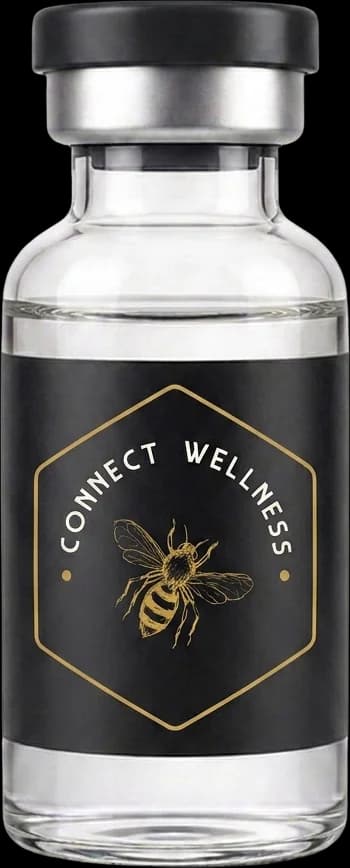
Tirzepatide + B6
Injection
Compounded tirzepatide with vitamin B6 (pyridoxine) as a sterile injectable. A dual GIP/GLP-1 receptor agonist used with diet and activity for weight and glucose support. Including B6 with tirzepatide may reduce nausea for some patients compared to tirzepatide alone.
Semaglutide + B6
Injection
Compounded semaglutide with vitamin B6 (pyridoxine) as a sterile injectable. A GLP-1 receptor agonist used with diet and activity for weight and glucose support. Including B6 with semaglutide may reduce nausea for some patients compared to semaglutide alone.
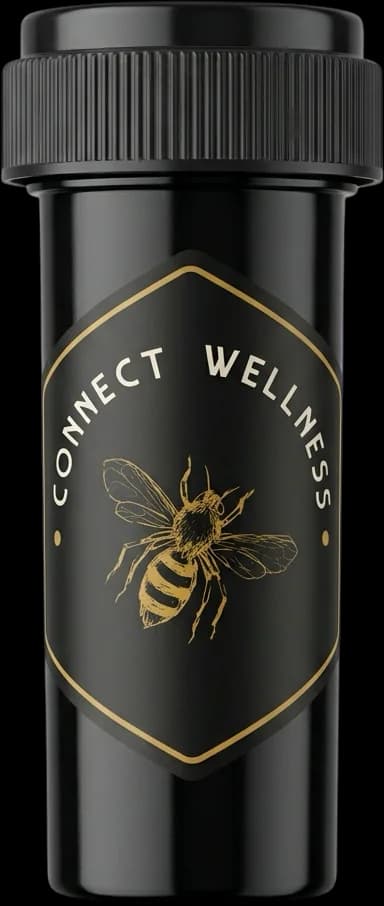
Progesterone
Capsule · SR Capsule
Available in immediate-release and sustained-release oral capsules, progesterone is a bioidentical hormone used in menopausal hormone therapy. It helps protect the uterine lining when estrogen is also prescribed and may address symptoms of progesterone deficiency, such as irregular cycles or sleep disturbances.
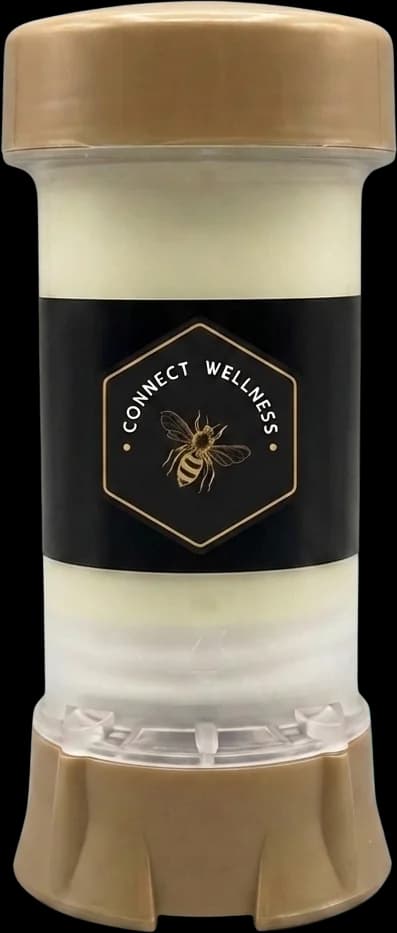
Testosterone Cream
Cream
Testosterone cream delivers testosterone, an androgen hormone, in a topical formulation used to help support hormone replacement therapy in men with low testosterone. Lower-dose versions may also help support hormone balance in women. It is typically applied to the skin for gradual absorption.
Scream Cream
Cream
Scream Cream is a topical combination cream formulated with vasodilating and sensitizing agents that may support female sexual arousal and comfort. It is typically applied directly to the area prior to intimacy, and specific ingredient combinations can vary by formulation.
DHEA
Capsule
DHEA (dehydroepiandrosterone), an endogenous steroid hormone precursor, is available as a compounded preparation. The body converts it into other hormones, including testosterone and estrogen, so it is often used to help support hormone balance. Supplementation is frequently considered for age-related hormonal decline or adrenal support.
Weight Loss
Tirzepatide + B6
Injection
Compounded tirzepatide with vitamin B6 (pyridoxine) as a sterile injectable. A dual GIP/GLP-1 receptor agonist used with diet and activity for weight and glucose support. Including B6 with tirzepatide may reduce nausea for some patients compared to tirzepatide alone.
Tirzepatide + Glycine
Injection
Compounded tirzepatide with glycine as a sterile injectable. A dual GIP/GLP-1 receptor agonist used with diet and activity for weight and glucose support.
Tirzepatide + Semaglutide
Injection
Compounded tirzepatide with semaglutide as a sterile injectable. May be considered when both incretin mechanisms are desired; each has separate weight-management evidence with diet and activity, without established superior efficacy versus either alone.
Semaglutide + B6
Injection
Compounded semaglutide with vitamin B6 (pyridoxine) as a sterile injectable. A GLP-1 receptor agonist used with diet and activity for weight and glucose support. Including B6 with semaglutide may reduce nausea for some patients compared to semaglutide alone.
Semaglutide + Glycine
Injection
Compounded semaglutide with glycine as a sterile injectable. A GLP-1 receptor agonist used with diet and activity for weight and glucose support.
Topiramate/Bupropion/Naltrexone
SR Capsule
Topiramate, an anticonvulsant, is combined with bupropion, an aminoketone antidepressant, and naltrexone, an opioid receptor antagonist, in this compounded oral capsule. The combination is formulated to support weight management by helping regulate appetite and reward-related eating behavior, and is typically used alongside diet and exercise.
Hormone Replacement Therapy
View all 10 Hormone Replacement Therapy medicationsProgesterone
Capsule · SR Capsule
Available in immediate-release and sustained-release oral capsules, progesterone is a bioidentical hormone used in menopausal hormone therapy. It helps protect the uterine lining when estrogen is also prescribed and may address symptoms of progesterone deficiency, such as irregular cycles or sleep disturbances.
Testosterone Cream
Cream
Testosterone cream delivers testosterone, an androgen hormone, in a topical formulation used to help support hormone replacement therapy in men with low testosterone. Lower-dose versions may also help support hormone balance in women. It is typically applied to the skin for gradual absorption.
DHEA
Capsule
DHEA (dehydroepiandrosterone), an endogenous steroid hormone precursor, is available as a compounded preparation. The body converts it into other hormones, including testosterone and estrogen, so it is often used to help support hormone balance. Supplementation is frequently considered for age-related hormonal decline or adrenal support.
Testosterone Cypionate
Injection
As a long-acting ester of testosterone, testosterone cypionate is supplied as a sterile injectable solution. It plays a role in testosterone replacement therapy for men with clinically low testosterone levels, helping restore levels toward a normal physiologic range. Dosing frequency depends on individual treatment protocols.
Enclomiphene Citrate
Capsule
Typically compounded as an oral capsule, enclomiphene citrate is a selective estrogen receptor modulator (SERM) formulated for men. It is used to help support the body's own testosterone production by influencing pituitary signaling, and is often considered as an alternative approach to testosterone replacement therapy.
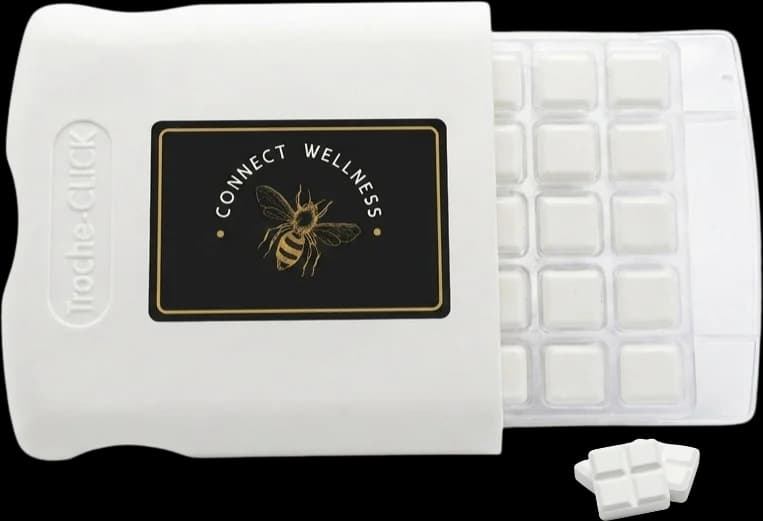
Bi-Est (E3/E2)
Cream · Troche
This buccal troche delivers Bi-Est, a compounded blend of estriol and estradiol (bioidentical estrogens), dissolved between the cheek and gum for absorption. As part of menopausal hormone therapy, it may support relief from hot flashes, night sweats, and vaginal dryness linked to declining estrogen levels.
Women's Health
View all 8 Women's Health medicationsProgesterone
Capsule · SR Capsule
Available in immediate-release and sustained-release oral capsules, progesterone is a bioidentical hormone used in menopausal hormone therapy. It helps protect the uterine lining when estrogen is also prescribed and may address symptoms of progesterone deficiency, such as irregular cycles or sleep disturbances.
Testosterone Cream
Cream
Testosterone cream delivers testosterone, an androgen hormone, in a topical formulation used to help support hormone replacement therapy in men with low testosterone. Lower-dose versions may also help support hormone balance in women. It is typically applied to the skin for gradual absorption.
Testosterone Cypionate
Injection
As a long-acting ester of testosterone, testosterone cypionate is supplied as a sterile injectable solution. It plays a role in testosterone replacement therapy for men with clinically low testosterone levels, helping restore levels toward a normal physiologic range. Dosing frequency depends on individual treatment protocols.
Boric Acid
Capsule · Suppository
Formulated as a vaginal suppository, boric acid works as an antimicrobial agent. It is commonly used to help address recurrent or treatment-resistant vaginal yeast infections and bacterial vaginosis, supporting a healthy vaginal pH environment. This preparation is intended for vaginal use only and should not be taken orally.
Arginine/Oxytocin/Sildenafil/PT-141
Troche
L-arginine, oxytocin, sildenafil, and PT-141 (bremelanotide) are combined in this compounded troche for sexual wellness support.
Arginine/Sildenafil/Theophylline
Cream
L-arginine, sildenafil, and theophylline are combined in this compounded cream for sexual wellness support.
Men's Health
View all 7 Men's Health medicationsTestosterone Cream
Cream
Testosterone cream delivers testosterone, an androgen hormone, in a topical formulation used to help support hormone replacement therapy in men with low testosterone. Lower-dose versions may also help support hormone balance in women. It is typically applied to the skin for gradual absorption.
Testosterone Cypionate
Injection
As a long-acting ester of testosterone, testosterone cypionate is supplied as a sterile injectable solution. It plays a role in testosterone replacement therapy for men with clinically low testosterone levels, helping restore levels toward a normal physiologic range. Dosing frequency depends on individual treatment protocols.
Enclomiphene Citrate
Capsule
Typically compounded as an oral capsule, enclomiphene citrate is a selective estrogen receptor modulator (SERM) formulated for men. It is used to help support the body's own testosterone production by influencing pituitary signaling, and is often considered as an alternative approach to testosterone replacement therapy.
Clomiphene
Capsule
Clomiphene citrate, a selective estrogen receptor modulator (SERM), is compounded here as an oral capsule. Women use it to help stimulate ovulation when infertility is related to anovulation, while men may take it off-label to support endogenous testosterone production in secondary hypogonadism.
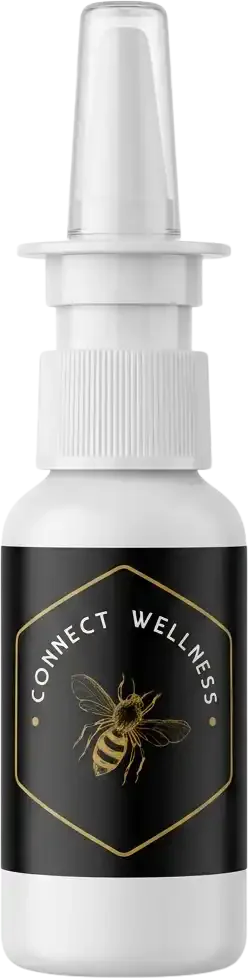
Oxytocin
Nasal Spray
Oxytocin, a neuropeptide hormone, is supplied as a compounded, non-sterile preparation. It is used to help support social bonding, emotional wellbeing, and, in some formulations, sexual arousal and intimacy. Researchers have also studied its role in stress modulation and connection.
Enclomiphene Citrate/Tadalafil
Capsule
Enclomiphene citrate, a selective estrogen receptor modulator (SERM), is paired with low-dose tadalafil in this oral capsule formulated for men. Enclomiphene helps support the body's own testosterone production by influencing pituitary signaling, while tadalafil, a PDE5 inhibitor, supports healthy blood flow and erectile function.
Sexual Health
Scream Cream
Cream
Scream Cream is a topical combination cream formulated with vasodilating and sensitizing agents that may support female sexual arousal and comfort. It is typically applied directly to the area prior to intimacy, and specific ingredient combinations can vary by formulation.
Bremelanotide
Injection · Solution · Troche
As a melanocortin receptor agonist, bremelanotide (PT-141) is supplied as a sterile injectable solution. It helps address low sexual desire, most commonly hypoactive sexual desire disorder in premenopausal women, and is also used off-label to help support sexual arousal in men. Its effects are thought to work through central nervous system pathways rather than direct vascular action.
Boric Acid
Capsule · Suppository
Formulated as a vaginal suppository, boric acid works as an antimicrobial agent. It is commonly used to help address recurrent or treatment-resistant vaginal yeast infections and bacterial vaginosis, supporting a healthy vaginal pH environment. This preparation is intended for vaginal use only and should not be taken orally.
Arginine/Oxytocin/Sildenafil/PT-141
Troche
L-arginine, oxytocin, sildenafil, and PT-141 (bremelanotide) are combined in this compounded troche for sexual wellness support.
Arginine/Sildenafil/Theophylline
Cream
L-arginine, sildenafil, and theophylline are combined in this compounded cream for sexual wellness support.
Oxytocin
Nasal Spray
Oxytocin, a neuropeptide hormone, is supplied as a compounded, non-sterile preparation. It is used to help support social bonding, emotional wellbeing, and, in some formulations, sexual arousal and intimacy. Researchers have also studied its role in stress modulation and connection.
Wellness & Anti-Aging
View all 10 Wellness & Anti-Aging medicationsDHEA
Capsule
DHEA (dehydroepiandrosterone), an endogenous steroid hormone precursor, is available as a compounded preparation. The body converts it into other hormones, including testosterone and estrogen, so it is often used to help support hormone balance. Supplementation is frequently considered for age-related hormonal decline or adrenal support.
B-Complex
Injection
For cellular energy metabolism, nervous system function, and red blood cell formation, B-Complex offers a sterile injectable blend of B vitamins. As a group, these water-soluble nutrients are involved in numerous metabolic processes throughout the body. This formulation may help support energy levels and overall metabolic wellness.
Peptide Therapy
View all 8 Peptide Therapy medications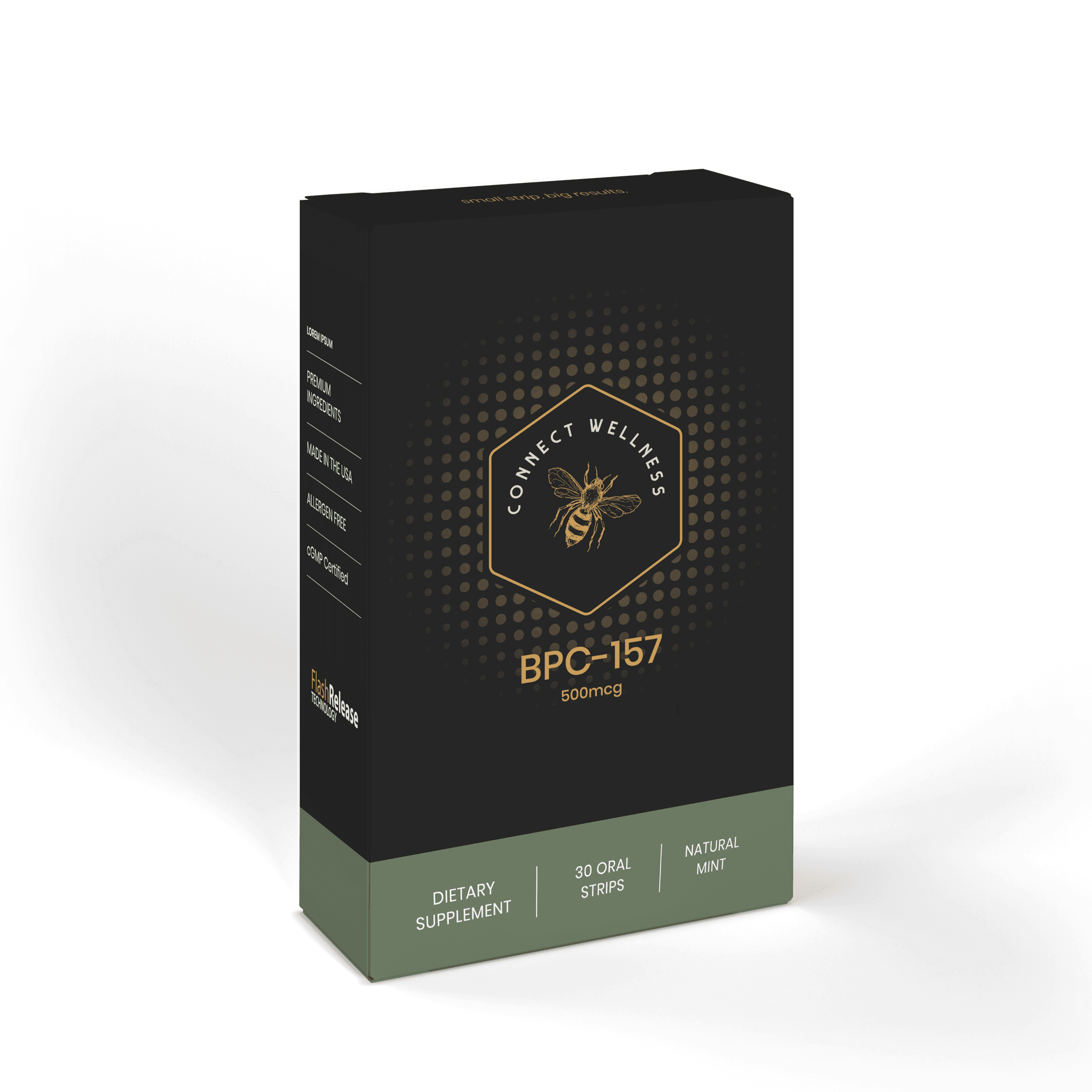
BPC-157
Oral Film
Derived from a naturally occurring gastric protective compound, BPC-157 is a synthetic peptide provided as a compounded preparation. It plays a role in efforts to support tissue repair and recovery, including musculoskeletal and gastrointestinal tissue healing processes commonly associated with injury or overuse.
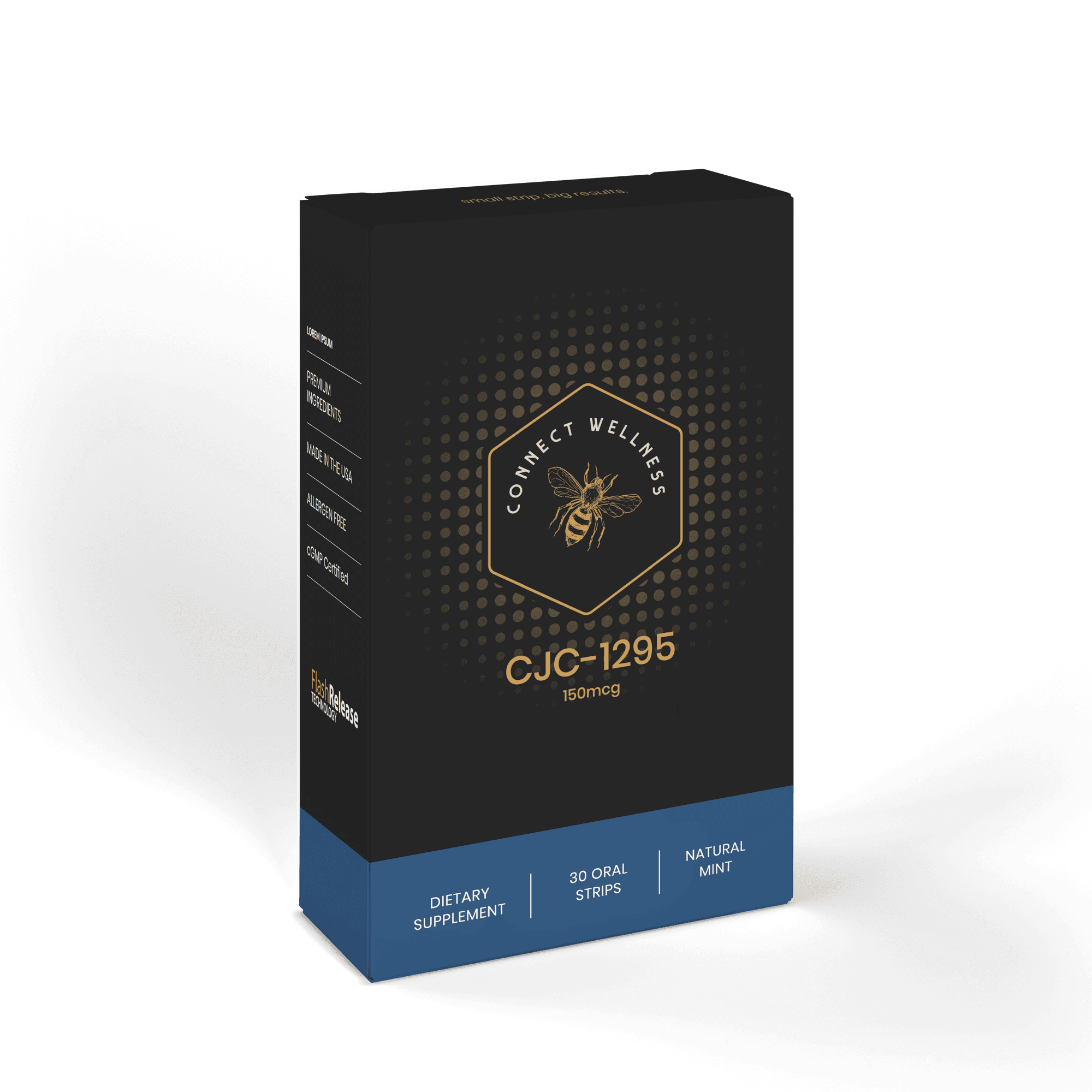
CJC-1295/Ipamorelin
Oral Film
Two growth hormone-supporting peptides, CJC-1295 (a GHRH analog) and ipamorelin (a selective growth hormone secretagogue), are combined in this compounded preparation. Used together, they may support the body's natural growth hormone release and are typically formulated for adults interested in body composition, recovery, and sleep quality support.
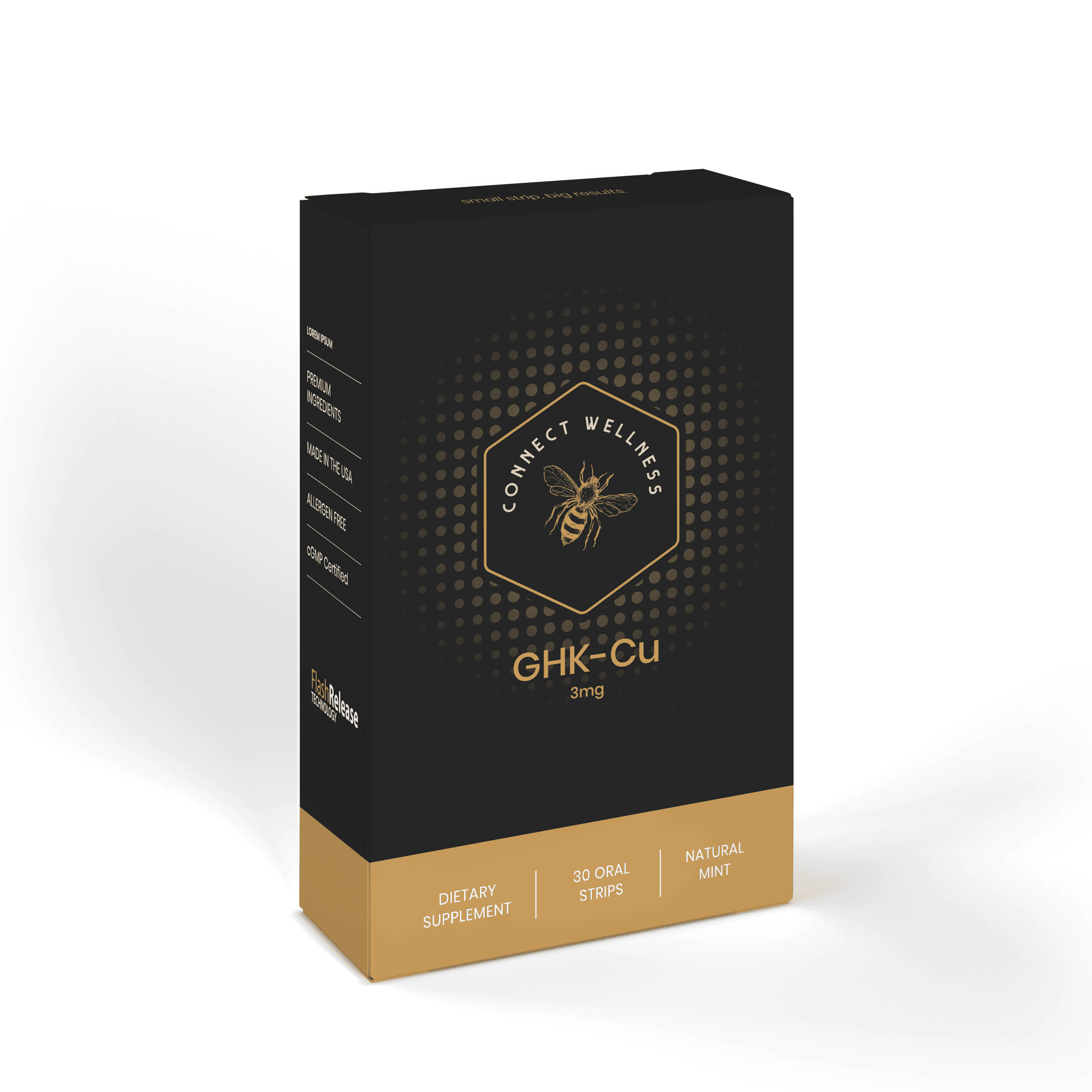
GHK-Cu
Cream · Nasal Spray · Oral Film
For topical skincare use, GHK-Cu, a naturally occurring copper-binding peptide, is typically compounded into a cream or serum. It helps support skin appearance, collagen and elastin production, and wound healing processes as part of a broader topical skincare regimen used over time.
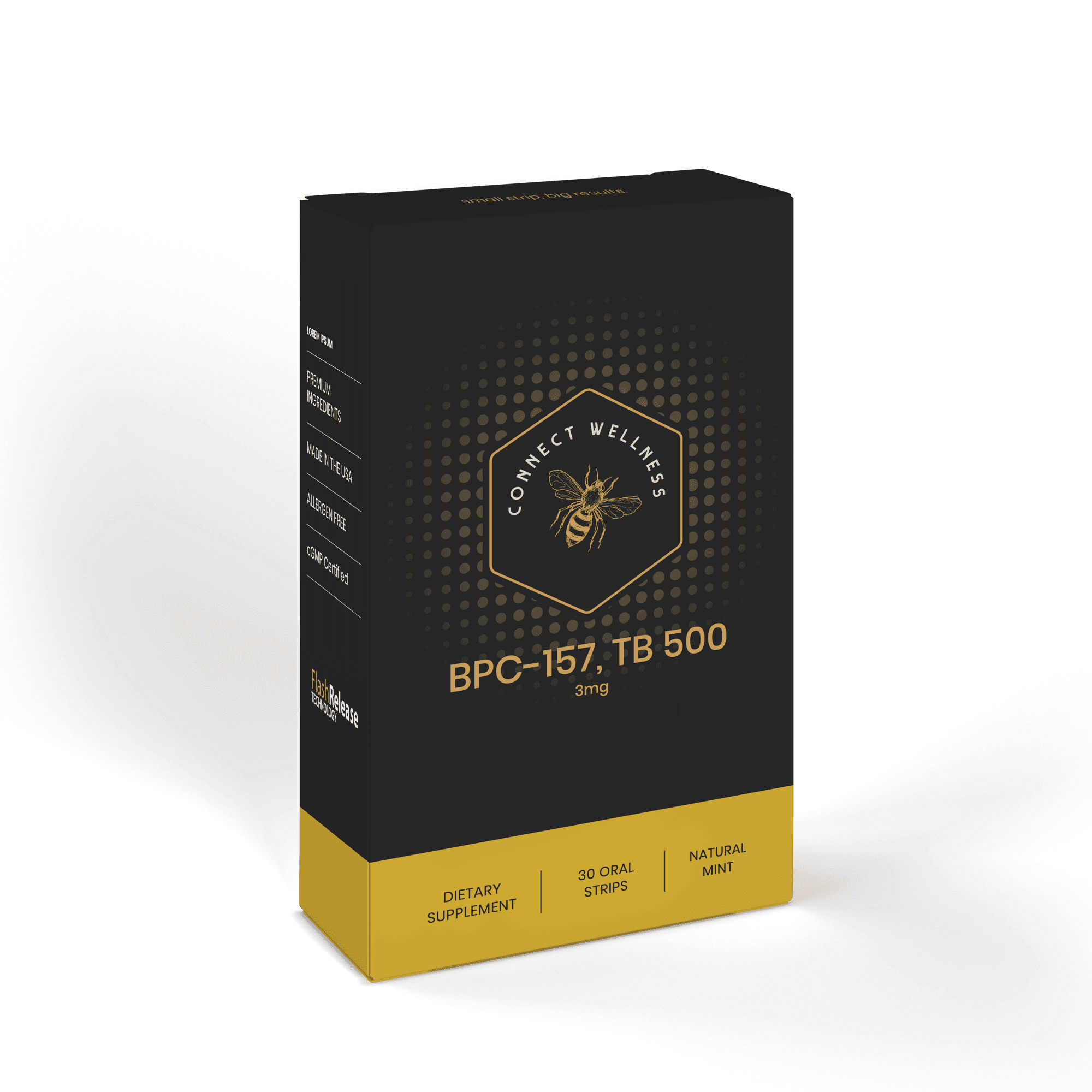
BPC-157/TB-500
Oral Film
Pairing BPC-157, a synthetic gastric-derived peptide, with TB-500, a synthetic fragment of the protein thymosin beta-4, this compounded preparation supports tissue repair, recovery, and healing processes. It is sometimes formulated for use following injury, overuse, or intense physical activity, particularly where recovery time is a concern.
CJC-1295
Oral Film
As a synthetic analog of growth hormone-releasing hormone (GHRH), CJC-1295 is provided as a compounded preparation. It plays a role in stimulating the body's natural release of growth hormone and is often formulated for adults seeking support with body composition, recovery, and overall metabolic function.
Estriol/GHK-Cu/Hyaluronic Acid
Cream
Estriol, a weak estrogen, is combined with GHK-Cu (a copper peptide) and hyaluronic acid in this topical formula for scalp and hair follicle health. Estriol contributes local hormonal support, GHK-Cu supports follicle and skin function, and hyaluronic acid adds hydration. It may be used as part of a broader approach to hair thinning or scalp health.
Dermatology
View all 24 Dermatology medicationsGHK-Cu
Cream · Nasal Spray · Oral Film
For topical skincare use, GHK-Cu, a naturally occurring copper-binding peptide, is typically compounded into a cream or serum. It helps support skin appearance, collagen and elastin production, and wound healing processes as part of a broader topical skincare regimen used over time.
Cantharidin
Solution
Derived from blister beetles, cantharidin is a topical vesicant formulated as a solution for in-office application. It helps treat common warts and molluscum contagiosum by inducing a localized blister that lifts the affected lesion, and application is typically performed or supervised by a healthcare provider.
Eflornithine
Cream
By inhibiting ornithine decarboxylase, an enzyme involved in hair follicle growth, eflornithine cream is used to help slow the growth of unwanted facial hair in women with regular application. It does not remove hair that's already present and is typically used alongside other hair removal methods.
Acyclovir
Lip Balm
Acyclovir is compounded as a lip balm for topical use on cold sores (herpes labialis).
Acyclovir/Hydrocortisone
Ointment
Acyclovir and hydrocortisone are combined in this compounded ointment for topical use on cold sores.
Acyclovir/Lidocaine/Hydrocortisone
Ointment
Acyclovir, lidocaine, and hydrocortisone are combined in this compounded ointment for topical use on cold sores.
Topical Pain Relief
BLT (Benzocaine/Lidocaine/Tetracaine)
Cream
BLT cream draws its name from its three local anesthetics, benzocaine, lidocaine, and tetracaine, each from a different chemical class. It's typically used to numb skin or mucosal surfaces ahead of minor procedures, or to help ease discomfort from localized pain or itching.
Amitriptyline/Baclofen/Gabapentin
Cream
Amitriptyline, baclofen, and gabapentin are combined in this compounded cream for topical neuropathic pain care.
Cyclobenzaprine/Diclofenac/Gabapentin/Lidocaine
Cream
Four active ingredients make up this topical cream: cyclobenzaprine (a muscle relaxant), diclofenac (an NSAID), gabapentin (an anticonvulsant used for nerve pain), and lidocaine (a local anesthetic). It is intended to help with pain that has both musculoskeletal and neuropathic components, addressing spasm, inflammation, nerve sensitivity, and local sensation at once.
Cyclobenzaprine/Diclofenac/Lidocaine
Cream
Cyclobenzaprine (a muscle relaxant), diclofenac (an NSAID), and lidocaine (a local anesthetic) combine in this topical cream to help manage localized muscle pain and spasm. Together they work to reduce inflammation, ease muscle tension, and provide local numbing.
Lidocaine/Tetracaine
Cream
Lidocaine and tetracaine, two local anesthetics from different chemical classes, are combined in this topical cream to numb the skin before cosmetic or dermatologic procedures. It may also help ease discomfort from minor localized skin irritation or pain.
Tetracaine
Cream
As an ester-class local anesthetic, tetracaine is compounded here as a topical preparation for external use. It is intended to help numb the skin or mucosal surfaces and ease discomfort during minor procedures or from localized pain.
Don’t see what you need?
Call (208) 593-0133 ext 3
We compound to your prescriber’s formula, including custom strengths, forms, and flavors.

Compounding specialties
Each preparation is compounded to your prescriber’s formula, strength, and dosage form.
Hormone replacement
Including testosterone, estradiol, progesterone.
GLP-1
Including semaglutide, tirzepatide.
Peptide therapy
Including BPC-157, CJC-1295, Ipamorelin.
Wellness injections
Including DHEA, BPC-157, CJC-1295.
Dermatology
Including GHK-Cu, Cantharidin, Eflornithine.
Topical pain relief
Including BLT, Amitriptyline, Baclofen.
How to get your medication
Compounded prescriptions need a few coordinated steps between you, your prescriber, and our pharmacy. Here's what to expect.
- Step 1
Talk with your prescriber
Your provider determines whether a compounded medication is right for your therapy and writes the prescription with the strength, form, and instructions you need.
- Step 2
Prescriber sends it to us
Your prescriber sends the prescription to Connect Wellness by e-prescribe, fax, or phone. If you're transferring an existing prescription, give us a call and we'll coordinate with your previous pharmacy.
- Step 3
We prepare and confirm
Our pharmacy team reviews the order, prepares your medication on-site, and contacts you to confirm pricing, payment, and how you'd like to receive it.
- Step 4
Delivered to your door
Your prescription is shipped directly to you, no trip to the pharmacy required. We're available by phone if anything comes up after it arrives.
Our pharmacy standards
- Compounded under USP 795, 797, and 800 standards
- Sterile cleanroom for injectable preparations
- Active ingredients from FDA-registered facilities
- Each medication prepared to order with a valid prescription
- Licensed to ship to patients in Idaho, Oregon, and Utah
- We do not bill insurance
This is not a complete list and is subject to change.